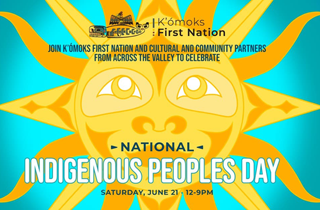
National Indigenous Peoples Day
June 21 marks National Indigenous Peoples Day, and the Comox Valley will have no shortage of activities to celebrate this important day.


June 21 marks National Indigenous Peoples Day, and the Comox Valley will have no shortage of activities to celebrate this important day.
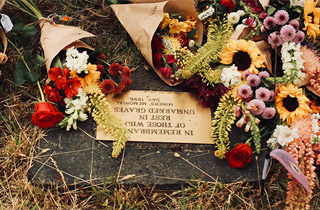
This June marks the 40th anniversary Miners Memorial in Cumberland. The Cumberland Museum & Archives will also host a series of events from Friday, June 13 to Sunday, June 15 including talks, a community picnic and an in-museum tour over the weekend.
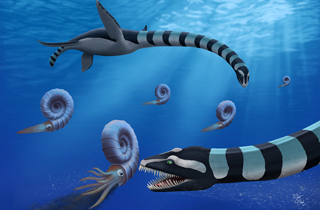
It’s official! At long last, what was known as the Puntledge River elasmosaur now has its own scientific name: Traskasaura sandrae, named in its scientific paper published on May 23, 2025 in the Journal of Systematic Palaeontology, by Dr. F. Robin O’Keefe.
The unique brick and sandstone Courtenay Post Office was built during 1925. Forty thousand faced bricks from Redcliffe, Alberta were used, as well as 100,000 common bricks from Victoria. These bricks certainly became a talking point in June 1946 when the building was damaged by a 7.3 earthquake!
Some fabulous brand-new items from Rex London have arrived in the Gift Shop! These new additions include incredibly cute “Mini Bunny in a Box” and “Mouse in a House” plush dolls with their little beds, as well as a playful “Knitting Mushroom” kit with yarn included.
Doggone it, we're sold out! 🐾 Thanks to overwhelming interest, all tickets for the May 27th lecture “The Coast Salish Woolly Dog” at the Courtenay Museum are gone! Please note: no tickets will be available at the door, so if you didn’t snag one in time, we hope to see you at a future event. Stay tuned because there are more exciting programs on the way!
One hundred years ago the corner of 4th Street and Cliffe Avenue would have looked much different from today. The Courtenay Post Office building, a mix of brick and concrete masonry, was under construction. Work began in late 1924, and the Post Office opened for business in January 1926.
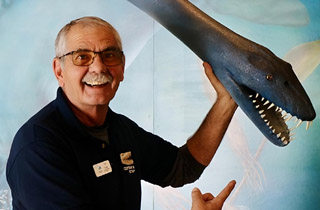
As the warmer weather approaches, don’t forget to book your spot on a world famous fossil tour guided by our Natural History Curator, Pat Trask.
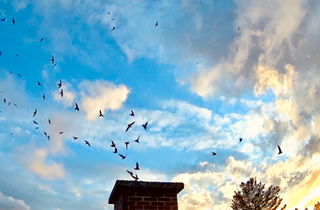
We’re excited to broadcast the Vaux’s swifts return to the Courtenay Museum’s brick chimney this year. With help from Mayor Bob Wells, ACS Computer Solutions, and City of Courtenay staff, the museum will have a 24-hour livestream on YouTube to view the swift traffic inside and outside the museum chimney.
The museum will be closed on Friday, April 18th. Wishing everyone a safe and happy Easter weekend!